

The dairy industry in Bangladesh is evolving rapidly. With a growing population and increasing awareness of nutrition, learning how to start a dairy farm in Bangladesh is not just a noble profession but a highly profitable business venture. If you are looking for a sustainable investment in the agricultural sector, this step-by-step guide is for you.
Table of Contents
Market Analysis: Dairy Industry in Bangladesh
Choosing Best Cow Breeds
Shelter and Housing Management
Balanced Feeding Strategy
Health and Vaccination Schedule
Investment and Expected ROI
Conclusion
Frequently Asked Questions (FAQ)
1. Market Analysis: Why Start a Dairy Farm in Bangladesh?
Before diving in, it is crucial to understand the market trends. Bangladesh currently faces a significant deficit in milk production compared to its demand.
High Demand: Fresh milk and dairy products like sweets, ghee, and curd are staples in Bangladeshi culture.
Government Support: The Directorate of Livestock Services (DLS) provides various incentives, technical support, and low-interest loans for livestock entrepreneurs to boost dairy farming in BD.
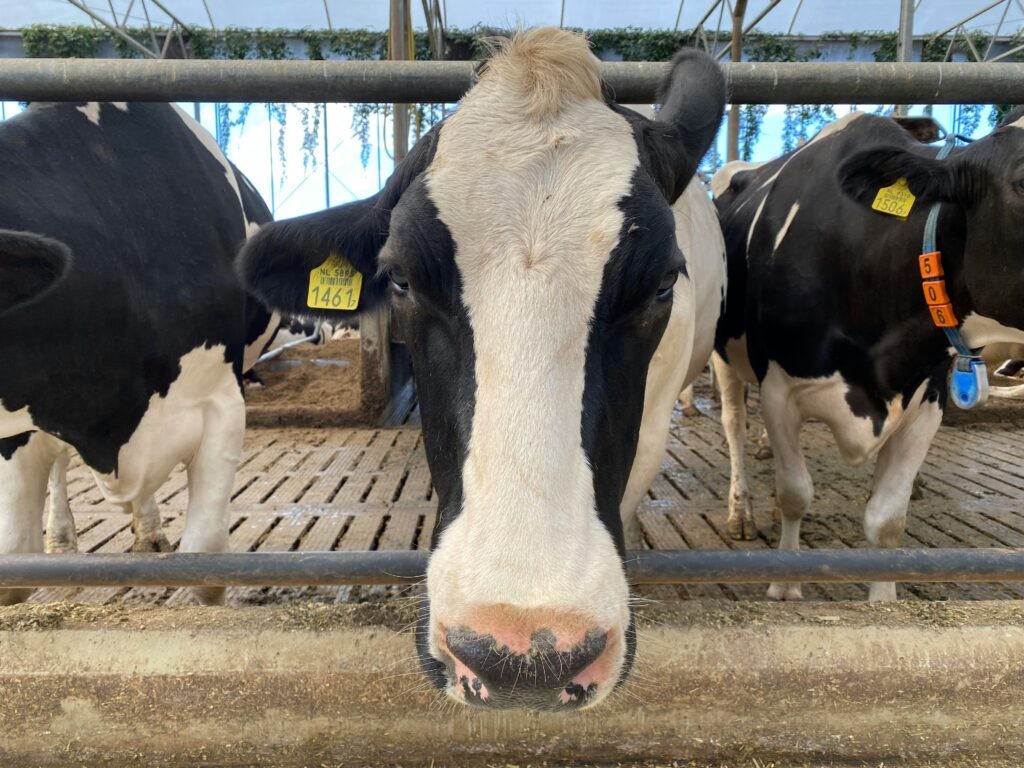
2.Choosing the Right Cow Breeds
The success of your farm depends almost entirely on the breed. In Bangladesh, you have three primary options:
Holstein Friesian (Cross): These are the kings of milk production, giving 20–30 liters per day. They require high maintenance and a cool environment.
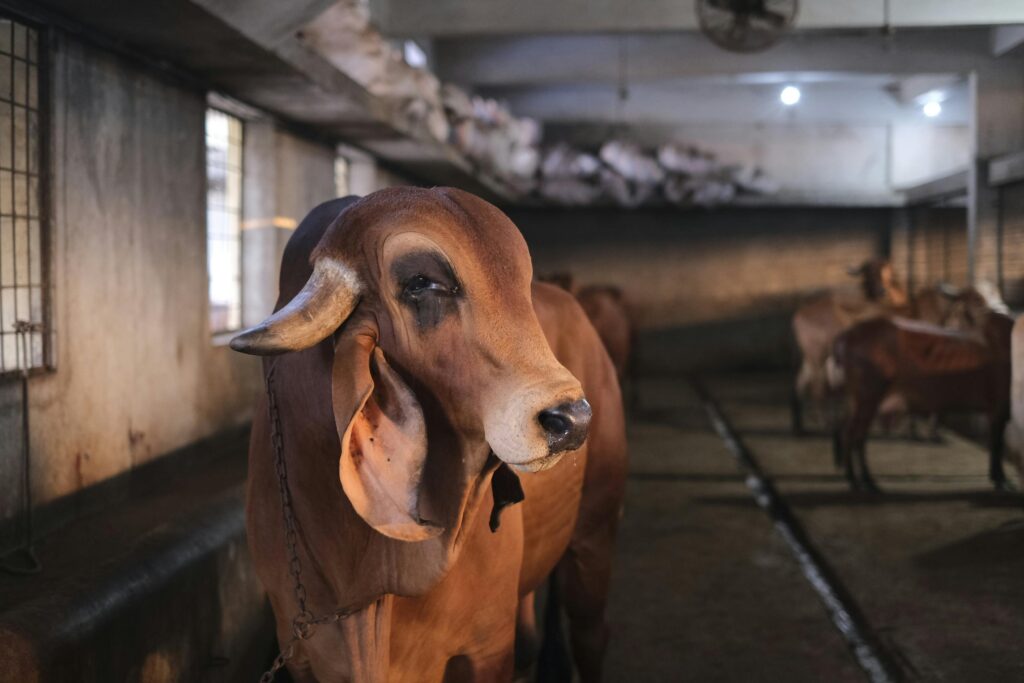
Sahiwal & Jersey: Known for high-fat milk and better resistance to local tropical diseases.
Local (Deshi) Breeds: Low milk yield but extremely hardy and cost-effective for small-scale setups.
3. Shelter and Housing Management
A comfortable cow is a productive cow. Your shelter should ensure:
Ventilation: Proper airflow to reduce heat stress.
Drainage: A dry floor prevents hoof diseases and mastitis.
Space: Each cow needs roughly 40–50 square feet. If you need equipment for construction, check our Agriculture Machinery section.
4.Feeding Strategy: The Secret to High Yield
Feeding accounts for 70% of expenses. To maximize ROI, follow this plan:
Green Fodder: Cultivate high-yield grasses like Napier or Pakchong.
Concentrate Feed: A mix of wheat bran, maize crush, and soybean meal.
Modern Additives: Use Urea Molasses Straw (UMS) and mineral mixes.
Clean Water: Unlimited access to fresh water is mandatory.

5.Health and Vaccination (DLS Schedule)
Prevention is cheaper than cure. Follow the DLS (Directorate of Livestock Services) vaccination schedule for:
FMD (Foot and Mouth Disease)
Anthrax
Black Quarter For essential medicines, visit our Farm Animal Medicine page
6. Expected ROI (Return on Investment)
While a 5-cow farm might cost 8–12 Lakh BDT, the ROI is attractive:
Revenue: Milk sales, cow dung (for organic fertilizer/biogas), and calf sales.
Break-even Point: Typically reached within 2.5 to 3 years.
7. Conclusion: Your Journey to a Profitable Dairy Farm
Starting a dairy farm in Bangladesh is a rewarding venture that combines financial growth with a contribution to national nutrition. Success in this sector requires patience, technical knowledge, and consistent care for your livestock. By following this step-by-step guide on how to start a dairy farm in Bangladesh, selecting high-yield breeds, and maintaining a strict vaccination schedule, you can ensure long-term profitability.
Stay updated with the latest farming techniques and always consult with local livestock experts to keep your farm running smoothly. If you need any tools, medicines, or a platform to buy and sell livestock, MyPetsBD is always here to support your journey.
Frequently Asked Questions (FAQ)
Q: Which breed is best for beginners in Bangladesh? A: A crossbreed (Holstein Friesian x Local) is best as it balances high yield with local climate tolerance.
Q: How much land is needed for 10 cows? A: Including the shed and grass cultivation, roughly 0.5 to 1 acre is recommended.
Q: Where can I get training for dairy farming? A: You can contact the local Upazila Livestock Office or visit MyPetsBD for expert guides.
